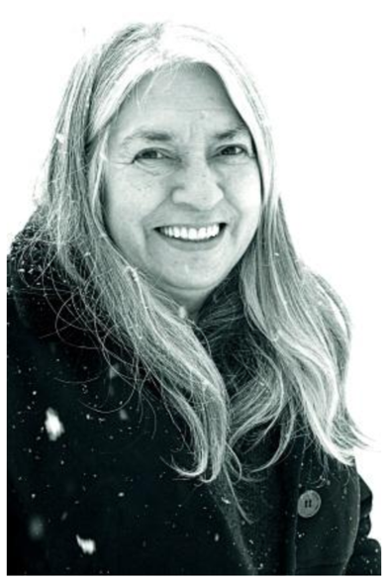
Image Credits: https://thepeopleandthetext.ca/featured-authors/LeeMaracle
Part 3: “The Operation was Successful, but the Patient Died”
The question posed at the end of part 2 of this series (What does it mean to recognize Aboriginal title yet not fully recognize Indigenous jurisdiction and governance?) is not new. More than two decades ago, Stó:lō writer, activist, matriarch, public intellectual, and one of the most important Indigenous voices of our time, the late Lee Maracle challenged Canadians to think beyond “land claims” and property rights.
In her essay “The Operation Was Successful, but the Patient Died,” Maracle reflected on the constitutional recognition of Aboriginal rights through Section 35 of the Constitution Act, 1982.
For Maracle, the Land Question in British Columbia has always been about more than ownership. It is about the authority of Indigenous Nations to govern their lands according to their own laws and legal traditions.
She challenged the idea that Indigenous rights were rights granted or defined by Canada or under Canadian laws, emphasizing that Indigenous Nations already had laws, political systems, economies, and relationships with their territories before colonization.
Her metaphor remains striking:
“The operation was successful, but the patient died.”
The “operation” was constitutional recognition. But the “patient,” Indigenous self-determination, remained threatened because colonial legal systems continued to define and limit Indigenous rights.
As BC continues to grapple with these questions, her words invite us to imagine what a true nation-to-nation relationship could look like.
References:
Other resources:
- Maracle, L. (1996). I am woman: A native perspective on sociology and feminism (2nd ed.). Press Gang Publishers. https://archive.org/details/iamwomannativepe0000mara
- Maracle, L. (2017). My conversations with Canadians. BookThug.